Overview of Morjim S Grand Duel
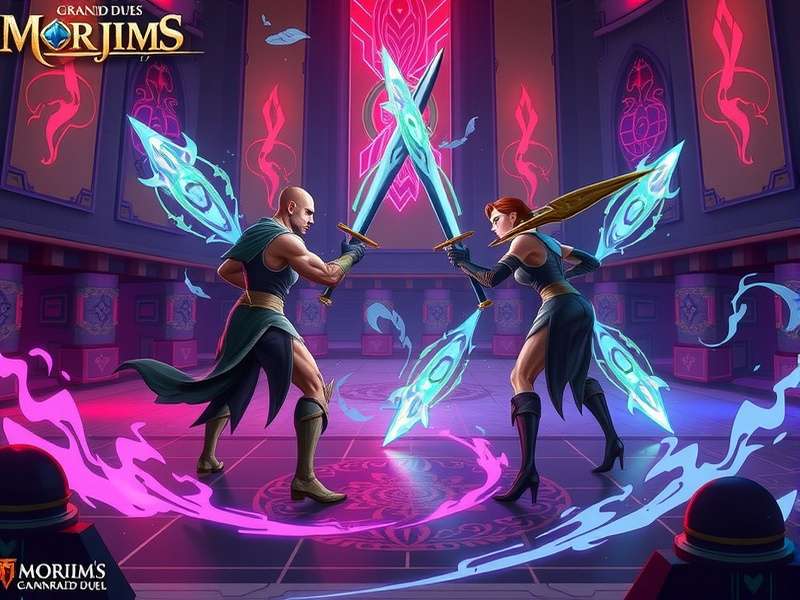
Morjim S Grand Duel emerges as a trailblazer in the Indian gaming industry, a labor of love from Daman Games – the studio that brought you groundbreaking desi gaming experiences. Launched on 15th December 2024, coinciding with India's Vijay Diwas, this fighting game has captured the hearts of millions with its unique fusion of coastal Indian mythology, traditional martial arts, and fast-paced competitive gameplay.
Unlike generic fighting games that rely on overused tropes, Morjim S Grand Duel draws inspiration from the rich cultural tapestry of India's coastal regions – from the Konkan coast's fishing villages to Kerala's backwaters and Tamil Nadu's shore temples. Every aspect of the game, from character designs to arena locations, reflects the vibrant traditions, folklore, and martial arts styles of these coastal communities.
What makes Morjim S Grand Duel truly special is its commitment to authenticity. The development team worked closely with coastal martial arts experts, folklorists, and cultural historians to ensure that every combat move, character backstory, and arena detail is rooted in real Indian traditions. The game features voice acting in ten major Indian languages, making it accessible to gamers across the country, and its fair-to-play model ensures that skill, not pay-to-win mechanics, determines victory.
Playable Characters
Combat Arenas
Martial Arts Styles
Language Support
Game Modes
Daily Active Players
Key Differentiators of Morjim S Grand Duel
- Authentic coastal Indian martial arts styles like Kalaripayattu, Silambam, and Thang-ta
- Mythological powers inspired by coastal deities and folklore (sea gods, snake spirits, and ocean guardians)
- Stunning arenas based on real Indian coastal landmarks and villages
- Deep character customization with traditional coastal attire and accessories
- Strategic combat system that rewards skill and timing over button-mashing
- Cross-platform multiplayer with seamless matchmaking
The journey of creating Morjim S Grand Duel began in 2021, when a small team of 25 developers, martial artists, and cultural experts came together with a vision to create a fighting game that truly represents India's coastal heritage. Over three years, the team expanded to 180 members, traveling across India's coastal regions to research martial arts, document folklore, and capture the essence of coastal life.
The team spent months training with martial arts masters to understand the nuances of each fighting style, ensuring that every punch, kick, and weapon move in the game is authentic. They also collaborated with local artisans to design character costumes and arena elements, incorporating traditional textiles, jewelry, and architecture into the game's visuals.
Since its launch, Morjim S Grand Duel has achieved remarkable success, crossing 8 million downloads within the first two weeks and receiving rave reviews from critics and gamers alike. The game has been praised for its stunning visuals, authentic combat system, and deep cultural storytelling, with many reviewers calling it "India's answer to global fighting game franchises."
Available on PC, PlayStation 5, Xbox Series X/S, Android, and iOS, Morjim S Grand Duel offers a seamless cross-platform experience, allowing players to compete against each other regardless of their device. The game's intuitive controls make it accessible to casual gamers, while its deep combat mechanics and competitive modes provide endless challenges for hardcore fighting game enthusiasts.
One of the game's most popular features is its "Coastal Championship" esports tournament, which attracts thousands of players from across India. The tournament offers substantial prize pools and has helped establish Morjim S Grand Duel as a major player in the Indian esports scene, with professional teams and players dedicating themselves to mastering the game's combat system.
What truly sets Morjim S Grand Duel apart from other fighting games is its ability to educate players about Indian coastal culture while entertaining them. Through character backstories, arena descriptions, and in-game lore, players learn about the rich traditions, folklore, and martial arts of India's coastal regions, making the game both entertaining and informative.
Gameplay Mechanics of Morjim S Grand Duel
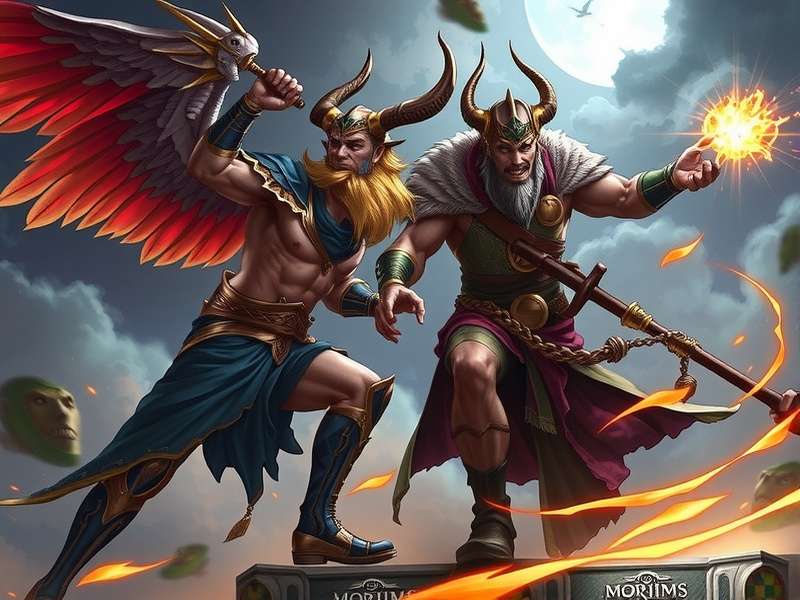
Morjim S Grand Duel revolutionizes the fighting game genre with its unique blend of authentic Indian martial arts, mythological powers, and strategic combat. The game's mechanics are designed to be accessible to new players while offering deep strategic depth for experienced fighting game enthusiasts, creating a balanced experience that appeals to a wide range of gamers.
Core Combat System
At its heart, Morjim S Grand Duel features a 2D fighting system with 3D visuals, where two players face off in one-on-one combat (or team battles in certain modes) with the goal of depleting their opponent's health bar. The game's combat system is built around three core mechanics: Strikes, Blocks, and Special Moves, each inspired by traditional Indian martial arts.
Strikes are the basic attacks of the game, including punches, kicks, and weapon strikes (for characters who use weapons). Each character has a unique set of strikes based on their martial arts style – for example, Kalaripayattu-based characters emphasize fluid, circular movements and weapon-based attacks, while Silambam characters focus on staff fighting and quick, precise strikes.
Blocks allow players to defend against incoming attacks, with two types of blocking available: Standard Block (which reduces damage from most attacks) and Perfect Block (which completely negates damage and creates an opening for a counterattack if timed correctly). Perfect Blocks require precise timing and are a key skill for advanced players, rewarding skill and reaction time over button-mashing.
Special Moves are powerful attacks that can turn the tide of battle. Each character has three types of Special Moves: Martial Arts Specials (based on their martial arts style), Mythological Powers (inspired by coastal deities and folklore), and Ultimate Attacks (devastating moves that can deal massive damage).
What makes the combat system unique is its "Mana System," which governs the use of Special Moves. Players build up Mana by landing attacks, blocking successfully, and avoiding damage. Mana is displayed as a blue bar beneath the health bar, and different Special Moves require different amounts of Mana to use. This system encourages strategic play, as players must decide when to use their Special Moves and when to conserve Mana for critical moments.
Martial Arts Styles
Morjim S Grand Duel features 12 authentic Indian martial arts styles, each with its own unique characteristics, moves, and strategies. These styles are based on real martial arts from India's coastal regions, and the game's developers worked closely with martial arts masters to ensure authenticity.
- Kalaripayattu – Originating from Kerala, this ancient martial art is known for its fluid, circular movements, weapon-based attacks, and emphasis on flexibility. Characters using Kalaripayattu excel at both close-range and mid-range combat, with moves that flow seamlessly into each other. Key weapons include the sword, shield, and spear.
- Silambam – Hailing from Tamil Nadu, Silambam is a staff-based martial art that focuses on quick, precise strikes and defensive maneuvers. Characters using Silambam have excellent reach and can control the battlefield with their staff, keeping opponents at bay while landing powerful strikes. Advanced Silambam moves allow players to disarm opponents and counter attacks.
- Thang-ta – Originating from Manipur, Thang-ta combines sword and spear fighting with hand-to-hand combat. Characters using Thang-ta are versatile fighters, able to switch between weapon and hand-to-hand combat seamlessly. Thang-ta moves are known for their speed and precision, making them ideal for players who prefer an aggressive playstyle.
- Kalarippayattu – A variant of Kalaripayattu from Karnataka, this martial art emphasizes powerful strikes and grappling techniques. Characters using Kalarippayattu excel at close-range combat, with moves that can knock opponents off balance and set up devastating combos. Kalarippayattu also includes healing techniques that allow players to restore health during battle.
- Mardani Khel – From Maharashtra, Mardani Khel is a sword-based martial art that was historically used by warriors. Characters using Mardani Khel are aggressive fighters, with powerful sword strikes that can break through blocks and deal massive damage. Mardani Khel also includes acrobatic moves that allow players to dodge attacks and reposition themselves quickly.
- Varma Kalai – A traditional Tamil martial art focused on pressure points, Varma Kalai allows characters to disable opponents by targeting specific pressure points. Characters using Varma Kalai are strategic fighters, able to weaken opponents with precise strikes before delivering the final blow. Varma Kalai moves can also temporarily disable an opponent's Special Moves.
Mythological Powers
One of the most exciting features of Morjim S Grand Duel is its Mythological Powers system, which allows characters to channel the power of coastal deities and mythological figures. Each character has three Mythological Powers, unlocked as they build up their Mana bar, which can turn the tide of battle with their unique effects.
Mythological Powers are inspired by the folklore and deities of India's coastal regions. For example:
- Varuna's Wrath – Inspired by Varuna, the Hindu god of the oceans, this power summons a tidal wave that knocks opponents off their feet and deals damage over time. It's particularly effective for characters who need to create space between themselves and their opponents.
- Naga's Blessing – Based on the snake spirits of coastal folklore, this power grants the character temporary invincibility and increased attack power. The character's appearance also changes temporarily, with snake-like features appearing to reflect the power of the Naga.
- Karuppu Sami's Curse – Inspired by the Tamil coastal deity Karuppu Sami, this power curses the opponent, reducing their attack power and speed for a short period. It's ideal for strategic players who want to weaken opponents before launching a full attack.
- Matsya Avatar's Grace – Based on Vishnu's fish avatar, this power allows the character to move quickly across the battlefield, dodging attacks and repositioning themselves. It also grants a temporary boost to Mana regeneration, allowing the character to use more Special Moves.
- Bhagavathy's Protection – Inspired by the Kerala coastal deity Bhagavathy, this power creates a protective shield around the character that absorbs damage and reflects a portion of the damage back to the attacker. It's perfect for defensive players who want to wear down opponents.
Mythological Powers add a unique strategic element to the game, as players must decide when to use them to maximize their effectiveness. Some powers are best used to initiate an attack, while others are better for defense or countering an opponent's moves. Mastering the timing and usage of Mythological Powers is key to becoming a top player in Morjim S Grand Duel.
Ultimate Attacks
Ultimate Attacks are the most powerful moves in Morjim S Grand Duel, requiring the full Mana bar to use. Each character has a unique Ultimate Attack that reflects their backstory and martial arts style, often featuring stunning visuals and devastating damage.
Ultimate Attacks are not just powerful – they're also visually spectacular, with detailed animations that showcase the character's Mythological Powers. For example, a character using Varuna's power might summon a massive sea serpent to attack the opponent, while a character using Karuppu Sami's power might call upon dark spirits to overwhelm their foe.
What makes Ultimate Attacks balanced is their long wind-up time, which gives opponents a chance to dodge or block if they react quickly. This means that players can't rely solely on Ultimate Attacks to win – they must use them strategically, often after setting up the opponent with other moves to ensure they land.
Game Modes
Morjim S Grand Duel offers a variety of game modes to cater to different playstyles and preferences, from casual one-on-one matches to competitive tournaments and cooperative gameplay.
Coastal Duel (1v1 Mode)
The classic one-on-one fighting mode, Coastal Duel is where players face off against each other in a best-of-three match to determine the winner. This mode is perfect for casual players looking to test their skills against friends or online opponents, as well as competitive players honing their techniques.
Coastal Duel offers a variety of customization options, allowing players to choose their arena, character, and even the rules of the match (such as time limits and Mana regeneration rates). The mode also features a ranking system that tracks players' performance and matches them with opponents of similar skill levels, ensuring fair and challenging matches.
One of the unique features of Coastal Duel is the "Dynamic Arena" system, where the arena changes during the match based on the action. For example, a coastal village arena might have waves crashing onto the battlefield during intense moments, while a temple arena might have statues coming to life to attack both players. These dynamic elements add an extra layer of strategy, as players must adapt to the changing environment while fighting.
Team Battle (2v2/3v3 Mode)
A team-based mode where players form teams of 2 or 3 to battle against another team. Team Battle requires coordination and communication between teammates, as players must work together to defeat the opposing team.
In Team Battle, each team shares a single health bar, and the goal is to deplete the opposing team's health bar before their own is depleted. Players can tag in and out of the battle, allowing teammates to recover health and Mana while their partner fights. This adds a strategic element, as teams must decide when to tag in and out and which characters to use in different situations.
Team Battle also features "Team Combos," which are powerful attacks that can be performed when multiple teammates are in the battle. These combos require precise timing and coordination but can deal massive damage to the opposing team, making them a key part of any successful team strategy.
Tournament Mode
A single-elimination tournament mode where 8 or 16 players compete to become the champion. Tournament Mode is perfect for players who want a more competitive experience, as it simulates the pressure and excitement of a real esports tournament.
In Tournament Mode, players progress through multiple rounds, with each round being a best-of-three match. The winner of each round advances to the next, until only two players remain to compete in the final round for the championship. Tournament Mode offers unique rewards, including rare character skins, in-game currency, and exclusive tournament titles.
One of the most popular features of Tournament Mode is the "Spectator Mode," which allows other players to watch the matches and cheer for their favorite competitors. Spectators can also place virtual bets on the outcome of matches, adding an extra layer of excitement to the tournament experience.
Survival Challenge
A single-player mode where players face off against waves of increasingly difficult opponents. Survival Challenge tests players' skill, endurance, and adaptability, as they must defeat as many opponents as possible before being defeated themselves.
Each wave of opponents features different characters with unique fighting styles, forcing players to adapt their strategy to counter each new threat. As players progress through the waves, they earn rewards such as in-game currency, experience points, and rare items that can be used to customize their characters.
Survival Challenge also features a leaderboard system, where players can compare their scores with other players from around the world. This adds a competitive element to the mode, as players strive to climb the leaderboard and prove themselves as the ultimate survivor.
Story Mode
A narrative-driven mode that explores the lore and backstories of the game's characters. Story Mode takes players on a journey through the coastal regions of India, as they follow their chosen character's quest to become the champion of the Morjim Grand Duel tournament.
Each character has their own unique story campaign, filled with cutscenes, dialogue, and challenging battles. The stories explore the character's motivations, backstories, and connections to other characters, adding depth and emotional resonance to the game.
Story Mode also features "Boss Battles" against powerful mythological creatures and legendary warriors, which require players to use all their skills and strategies to defeat. These boss battles are some of the most challenging and visually spectacular moments in the game, offering a true test of skill for even the most experienced players.
Completing a character's story campaign unlocks exclusive rewards, including rare character skins, special moves, and behind-the-scenes content about the character's development.
Training Dojo
A practice mode designed to help players master the game's combat system. Training Dojo offers a variety of tools and features to help players improve their skills, from basic tutorials for new players to advanced practice options for experienced players.
New players can use the "Basic Tutorial" to learn the fundamentals of the game's combat system, including strikes, blocks, and Special Moves. The tutorial includes step-by-step instructions and practice exercises to help players master each skill.
Advanced players can use the "Advanced Practice" mode to refine their combos, test their reaction times, and practice against specific character matchups. The mode allows players to customize various settings, such as opponent behavior, Mana regeneration rates, and damage values, to create the perfect practice environment.
Training Dojo also features a "Combo Creator" tool, which allows players to create and save their own combos, then practice them until they can execute them perfectly. This tool is particularly useful for competitive players who want to develop unique and effective combo strategies.
Esports Arena
A competitive mode designed specifically for esports tournaments and professional players. Esports Arena features a standardized set of rules and settings to ensure fair competition, as well as advanced features to support live streaming and tournament management.
In Esports Arena, players compete in best-of-five matches with a fixed set of rules, including standardized Mana regeneration rates, no dynamic arena elements, and a ban/pick system where players can ban certain characters and arenas to create a balanced competitive environment.
The mode also features advanced statistics tracking, which records every aspect of the match, from damage dealt to combo success rates. These statistics are available to players and spectators after the match, allowing for detailed analysis and strategy development.
Esports Arena is used for official Morjim S Grand Duel tournaments, including the Coastal Championship, which offers large prize pools and attracts the best players from across India. The mode's features are constantly updated based on feedback from professional players and tournament organizers, ensuring that it remains the gold standard for competitive Morjim S Grand Duel play.
Character Customization & Progression
Morjim S Grand Duel offers extensive character customization options, allowing players to create a unique version of their favorite characters that reflects their personal style. The game's customization system includes a wide range of options, from traditional coastal attire to mythological-inspired costumes and accessories.
Customization options include:
- Costumes – Traditional coastal clothing such as lungi, saree, kurta-pajama, and veshti, as well as mythological-inspired costumes based on deities and folklore
- Weapons – Customizable weapons with different skins and enhancements, from traditional swords and spears to mythological weapons like tridents and staffs
- Accessories – Traditional coastal jewelry, headgear, and other accessories, such as turbans, bangles, necklaces, and bindis
- Colors – Customizable color schemes for costumes and weapons, allowing players to create unique color combinations
- Emotes – Unique emotes inspired by coastal dance forms and traditions, such as Bharatanatyam, Kathakali, and Theyyam
Many customization items are inspired by the traditional attire of India's coastal regions. For example, characters from Kerala might have costumes inspired by the mundu and neriyathu, while characters from Tamil Nadu might wear veshti and angavastram. These costumes are not just visually appealing – they also reflect the character's backstory and cultural heritage.
The game's progression system rewards players for their skill and dedication, allowing them to unlock new customization items, characters, and special moves as they play. Players earn experience points by winning matches, completing challenges, and progressing through Story Mode. As they level up, they unlock new rewards and gain access to more advanced customization options.
Morjim S Grand Duel also features a "Battle Pass" system with two tracks: a free track available to all players and a premium track that can be unlocked with in-game currency. The Battle Pass offers exclusive rewards, including rare skins, weapons, and emotes, and resets every season with new content based on different coastal festivals and traditions.
Arena Design & Features
The arenas in Morjim S Grand Duel are some of the most visually stunning and immersive in any fighting game, inspired by the natural beauty and cultural heritage of India's coastal regions. Each arena has its own unique design, atmosphere, and dynamic elements that add to the gameplay experience.
Key arenas include:
- Morjim Beach – A sun-kissed beach arena with golden sands, crashing waves, and palm trees. The arena features dynamic wave mechanics that can knock players off their feet, as well as beach huts and rocks that can be used for cover.
- Shore Temple – A ancient temple arena built on the coast, with intricate carvings, stone pillars, and a central shrine. The arena features falling stone debris during intense battles, as well as statues that come to life to attack players.
- Fishing Village – A bustling coastal village arena with wooden houses, fishing boats, and a marketplace. The arena features dynamic elements such as moving boats, flying fish, and market stalls that can be destroyed during battles.
- Backwater Lagoon – A serene backwater arena with calm waters, lotus flowers, and traditional houseboats. The arena features lily pads that can be jumped on, as well as water snakes that attack players who get too close to the water.
- Cliff Fortress – A historic fortress arena built on a cliff overlooking the ocean. The arena features narrow walkways, cannons that fire during battles, and a central tower that offers a strategic vantage point.
Each arena also has its own unique background music, inspired by traditional coastal music from the region it represents. The music changes during battles, becoming more intense as the match progresses, adding to the immersive experience.
What makes the arenas truly special is their attention to detail. The developers traveled to coastal regions across India to photograph and document real locations, ensuring that every aspect of the arenas – from the architecture to the vegetation – is authentic. This commitment to authenticity helps immerse players in the world of Morjim S Grand Duel and makes the game feel like a true celebration of Indian coastal culture.
The Lore and World of Morjim S Grand Duel

The world of Morjim S Grand Duel is a rich, immersive universe built on the foundation of India's coastal mythology and folklore. The game's lore draws inspiration from the traditional stories, deities, and legends of India's coastal regions, creating a unique and authentic world that feels both familiar and magical.
Unlike many fighting games, where lore is often an afterthought, Morjim S Grand Duel's lore is an integral part of the experience, shaping every aspect of the game from character backstories to arena designs. The game's developers worked closely with folklorists and cultural historians to ensure that the lore is authentic and respectful of India's coastal traditions, while also creating a compelling narrative that drives the game's Story Mode.
The Origins of the Morjim Grand Duel
According to the game's lore, the Morjim Grand Duel is an ancient tournament that has been held on the shores of Morjim for centuries. The tournament was founded by a group of coastal warriors who wanted to settle disputes between villages without bloodshed, instead using their martial arts skills to compete for honor and glory.
Over time, the tournament evolved to include not just mortal warriors, but also beings from myth and legend. Coastal deities, snake spirits, and ocean guardians began to participate in the tournament, drawn by the opportunity to test their strength against the best warriors of the mortal world. The tournament also became a way for these mythological beings to connect with humans, sharing their wisdom and power with worthy warriors.
The Morjim Grand Duel is held every 12 years, during the full moon of the Tamil month of Thai (January-February). The tournament attracts warriors from all over India's coastal regions, each with their own reasons for competing – some seek glory, others seek to prove their worth, and some seek to fulfill ancient prophecies.
The winner of the Morjim Grand Duel is granted a single wish by the coastal deities, as well as the title of "Guardian of the Coasts." The Guardian is tasked with protecting India's coastal regions from threats both mortal and mythological, using the power and wisdom gained from the tournament to keep the shores safe.
However, the current Morjim Grand Duel is different from those of the past. A dark force known as the "Kaal Samudra" (Dark Ocean) has begun to spread along the coasts, corrupting mythological beings and threatening to destroy the balance between the mortal and divine worlds. The coastal deities believe that the only way to stop the Kaal Samudra is to find a warrior worthy of wielding the "Amrita Kumbha" (Nectar Vessel), a mythical artifact that can purify the dark ocean and restore balance.
Thus, the current Morjim Grand Duel is not just a tournament for honor and glory – it's a quest to find the chosen warrior who can save the coastal regions from destruction. Each character in the game has their own connection to the Kaal Samudra and their own reason for wanting to win the tournament, creating a rich and complex narrative that drives the game's Story Mode.
The Coastal Deities and Mythological Beings
The world of Morjim S Grand Duel is populated by a variety of coastal deities and mythological beings, each with their own unique powers, personalities, and roles in the game's lore. These beings are inspired by the traditional deities and folklore of India's coastal regions, and their designs and abilities reflect their cultural origins.
- Varuna – The Hindu god of the oceans, Varuna is one of the most powerful deities in the game's lore. He is the guardian of the seas and the judge of mortal deeds, and he plays a key role in the Morjim Grand Duel as the tournament's overseer. Varuna is depicted as a tall, imposing figure with blue skin and a crown of seashells, wielding a trident that can control the waves.
- Naga Queens – Snake spirits who guard the treasures of the ocean depths. The Naga Queens are both beautiful and dangerous, with the ability to control water and poison. They are neutral in the conflict between the mortal warriors and the Kaal Samudra, but they will aid warriors who show them respect and offer them gifts.
- Karuppu Sami – A Tamil coastal deity associated with protection and justice. Karuppu Sami is often depicted as a dark-skinned warrior with a sword and shield, and he is worshipped by fishermen and sailors who seek his protection during their voyages. In the game's lore, Karuppu Sami is one of the few deities who can stand against the Kaal Samudra, and he offers his power to warriors who fight for justice.
- Matsya Avatar – The fish avatar of Vishnu, Matsya is the guardian of knowledge and wisdom. According to the game's lore, Matsya holds the secret to defeating the Kaal Samudra, but he will only share this secret with warriors who prove themselves worthy through their actions in the tournament.
- Bhagavathy – A Kerala coastal deity associated with motherhood and protection. Bhagavathy is depicted as a fierce warrior goddess with multiple arms, each wielding a different weapon. She is the patron deity of many coastal villages, and she offers her blessings to warriors who fight to protect the innocent.
- Yakshas and Yakshinis – Nature spirits who inhabit the coastal forests and hills. Yakshas are known for their strength and greed, while Yakshinis are known for their beauty and charm. Both are neutral in the conflict, but they will aid warriors who offer them food or other offerings.
These mythological beings are not just background elements – they play active roles in the game's Story Mode, interacting with the player's character and influencing the outcome of the tournament. Some offer guidance and power, while others pose challenges that the player must overcome to prove their worth.
The Kaal Samudra: The Dark Threat
The central conflict of Morjim S Grand Duel's lore revolves around the Kaal Samudra, a dark force that is spreading along India's coasts, corrupting everything it touches. The Kaal Samudra is described as a black, oily substance that oozes from the depths of the ocean, turning fish and other sea creatures into vicious monsters and corrupting mythological beings with dark power.
According to the game's lore, the Kaal Samudra was created by the wrath of a powerful Asura (demon) named Samudra Rakshas, who was defeated by the coastal deities centuries ago. Before his defeat, Samudra Rakshas cursed the oceans, vowing to return and destroy the coastal regions that had rejected him. The Kaal Samudra is the physical manifestation of this curse, and it has begun to spread as Samudra Rakshas' power grows.
The Kaal Samudra's corruption is not just physical – it also affects the minds of those it touches, filling them with anger, greed, and despair. Many coastal villages have been destroyed by the Kaal Samudra, and those who survive are either corrupted by its power or forced to flee their homes.
The coastal deities have tried to stop the Kaal Samudra, but their power is limited by ancient laws that prevent them from directly interfering in the mortal world. Instead, they have turned to the Morjim Grand Duel, hoping that a mortal warrior will rise up and wield the Amrita Kumbha to purify the dark ocean and defeat Samudra Rakshas.
The Amrita Kumbha is a mythical vessel that contains the nectar of immortality, created by the gods during the churning of the ocean. The vessel has the power to purify any darkness and restore balance to the world, but it can only be wielded by a warrior who is pure of heart and strong of spirit.
Thus, the Morjim Grand Duel is not just a tournament – it's a quest to find this chosen warrior and save the coastal regions from destruction. Each character in the game has their own connection to the Kaal Samudra, and their motivations for competing in the tournament are shaped by this connection.
Regional Folklore and Cultural Influences
One of the most remarkable aspects of Morjim S Grand Duel's lore is how it incorporates regional folklore and cultural traditions from across India's coastal regions. Each character, arena, and mythological being in the game is inspired by the unique traditions of a specific coastal community, creating a tapestry of stories that reflects the diversity of India's coastal culture.
For example, the character of Maya, a Kalaripayattu warrior from Kerala, is inspired by the traditional stories of female warriors from Kerala's folklore. Her backstory revolves around protecting her village from the Kaal Samudra, a plot that reflects the real-life struggles of coastal communities against natural disasters and other threats.
The Shore Temple Arena is inspired by the Mahabalipuram Shore Temple in Tamil Nadu, a UNESCO World Heritage Site. The arena's design includes intricate carvings of mythological scenes from the Mahabharata and Ramayana, as well as dynamic elements that reflect the temple's coastal location, such as waves crashing against the stone walls.
The game's mythological powers are also deeply rooted in regional folklore. For example, the Naga's Blessing power is inspired by the snake worship traditions of Kerala and Tamil Nadu, where snakes are revered as protectors of homes and villages. The Karuppu Sami's Curse power is inspired by the Tamil tradition of worshipping Karuppu Sami as a protector against evil spirits.
What makes the lore truly special is how it educates players about these regional traditions while entertaining them. Through character backstories, arena descriptions, and in-game dialogue, players learn about the unique folklore, traditions, and beliefs of India's coastal communities, making the game both entertaining and informative.
The game's developers have also made a conscious effort to include lesser-known folklore and traditions, helping to preserve these cultural treasures for future generations. For example, the character of Raju, a Silambam warrior from Tamil Nadu, is inspired by the traditional stories of Silambam masters who used their skills to protect villages from bandits and wild animals. His backstory includes references to the history of Silambam and its importance in Tamil culture, helping to raise awareness of this ancient martial art.
The Future of the Morjim Grand Duel
The lore of Morjim S Grand Duel is constantly evolving, with new stories, characters, and mythological beings being added with each update. The